BLOG

Wu Hanzhang: Ushering in a New Chapter in Telemedicine

The Taiwanese government has recently been pushing hard to pass the "Regulations Governing Telemedicine and Treatment," which will have a significant impact on the promotion of smart healthcare after the pandemic. The legislative direction can be seen in four main directions: opening up more applicable scenarios, more implementation items, allowing prescriptions to be issued remotely, and simplifying the administrative procedures for applying for telemedicine.
Based on the "Measures for Telemedicine Diagnosis and Treatment" and the "Measures for the Production and Management of Electronic Medical Records in Medical Institutions," it can be seen that the government intends to expand telemedicine to long-term care, home care, and international medical care. In the future, telemedicine will become the new norm in the post-pandemic era.

Wu Hanzhang: Ushering in a New Chapter in Telemedicine 閱讀全文 »

Configuring Multi-User Access for a Container

The current login method for the TWCC development container is via SSH or a Jupyter Notebook connection through the user interface. Recently, we received a request for a method that allows multiple users to share and edit data. This article will teach you how to set up multiple accounts within the TWCC container, providing a solution for multiple users to develop within the same container and development environment.

Configuring Multi-User Access for a Container 閱讀全文 »

Wu Hanzhang: Utilizing speech processing technology to create high-quality care

Natural language processing (NLP) technology has become quite popular in recent years, with its most common application being Siri on smartphones. Applying this technology to healthcare and long-term care could address the challenges faced by the elderly in operating digital devices and experiencing declining communication skills, thereby improving the quality and efficiency of healthcare.

Wu Hanzhang: Utilizing speech processing technology to create high-quality care 閱讀全文 »

How to Set Up RAID 0

This article will explain how to create a RAID 0 array on TWSC. By creating a RAID 0 array, the needs of applications requiring high-speed read and write can be met. At the same time, it can also solve the limitation that virtual disks can only be opened up to 16TB. However, since this method of use does not have fault tolerance, using RAID 0 also carries a higher risk of data loss.

How to Set Up RAID 0 閱讀全文 »

Wu Hanzhang: Building a Digital Community Care Network

The recent outbreak of the pandemic has brought the issue of healthcare capacity to the forefront. The use of digital technology to assist home and community care has been piloted for years, and with the outbreak of the pandemic, the pilot concept has been gradually expanded. However, during implementation, many systemic and regulatory issues have been identified that need to be addressed. The severity of the pandemic has accelerated this transformation, with governments, medical institutions, and technology companies working together more closely. Governments are actively relaxing regulations on telemedicine, and technology companies are seizing the opportunity to collaborate with hospitals through SaaS (Software as a Service) cloud services, home medical devices, and artificial intelligence technologies to solve problems. In the future, we will see new healthcare service models emerge in our lives.

Wu Hanzhang: Building a Digital Community Care Network 閱讀全文 »

Mount COS to a Windows Server VCS instance

This article explains how to mount cloud object storage space to virtual computing instances, providing them with an additional data storage option besides virtual disks. This also caters to off-site backup scenarios, allowing databases in use to be stored on virtual disks for fast read/write speeds. Regularly backed-up data can be placed in cloud object storage space, optimizing the use of computing and storage resources.

Mount COS to a Windows Server VCS instance 閱讀全文 »

Wu Hanzhang: Hospitals going to the cloud creates a win-win situation

The Regulations for the Creation and Management of Electronic Medical Records in Medical Institutions, set to take effect in April 2020, will allow medical institutions to utilize cloud services to process hospital electronic medical record data, establishing relevant principles and key areas for supervision and management. This policy will accelerate the integration of the healthcare and ICT industries, creating a win-win situation for medical institutions, the public, the government, and the ICT industry.

Wu Hanzhang: Hospitals going to the cloud creates a win-win situation 閱讀全文 »

Wu Hanzhang: AI supercomputers are a perfect partner for the health industry

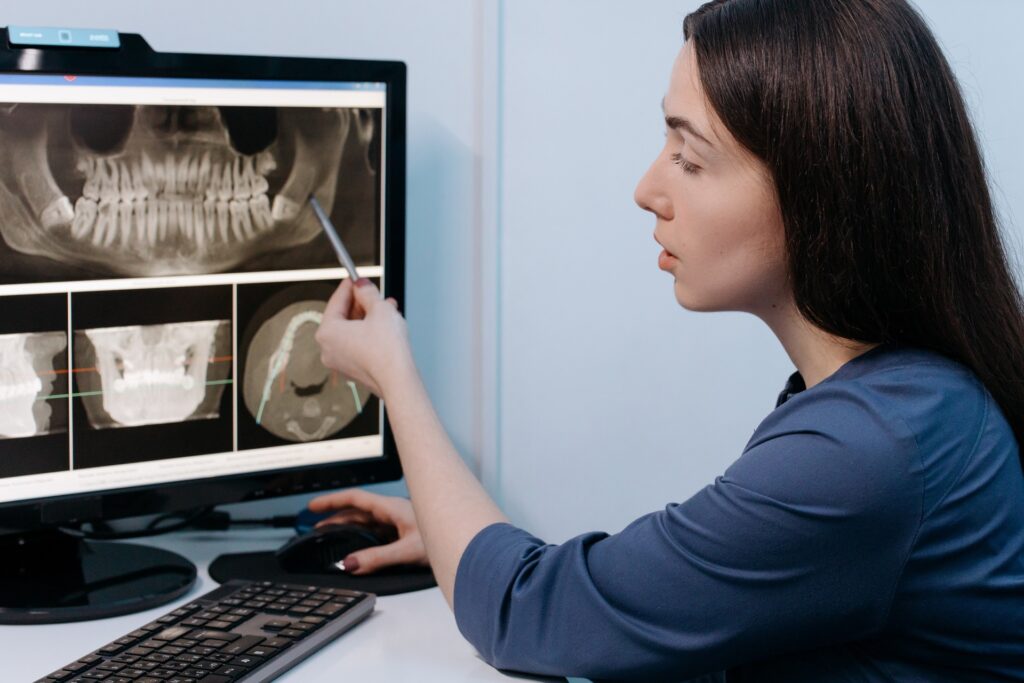
In the development of AI for medical imaging, tens of thousands of high-quality images often need to be processed, requiring sufficiently fast computer systems. The COVID-19 pandemic has brought a golden opportunity for Taiwan to develop its precision health industry. It is believed that by integrating Taiwan's three major advantages—medical, ICT, and health big data—and leveraging the Taiwan Sugi-2 AI supercomputer to accelerate innovation and research, it will surely bring more national benefits to Taiwan.

Wu Hanzhang: AI supercomputers are a perfect partner for the health industry 閱讀全文 »

EDM Subscription

EDM Subscription

On-Demand AI Cloud Consulting

Sales Contact
Sales Contact Form